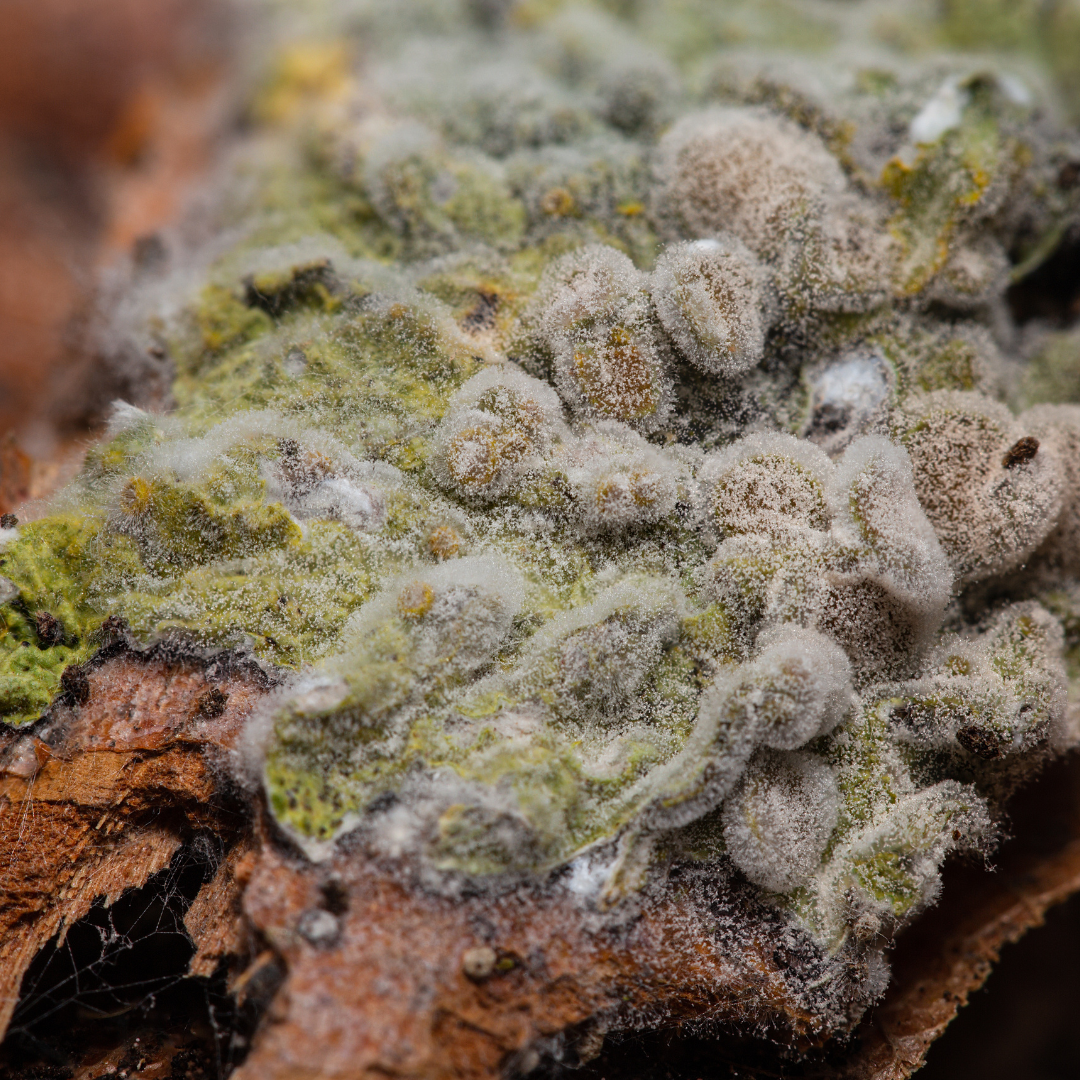
Mold is a type of fungus. These small organisms can be black, white, orange, green, or purple and live almost anywhere indoors and outside.
Mold can enter your home through open doorways, windows, vents, and heating and air conditioning systems. Molds thrive on moisture and reproduce through lightweight spores that travel through the air.
You're exposed to mold every day. They're usually harmless in small amounts. But when they land on a damp spot in your home, they can start to grow. They release spores that you might breathe in. If you're sensitive to mold and inhale a lot of spores, it could make you sick.
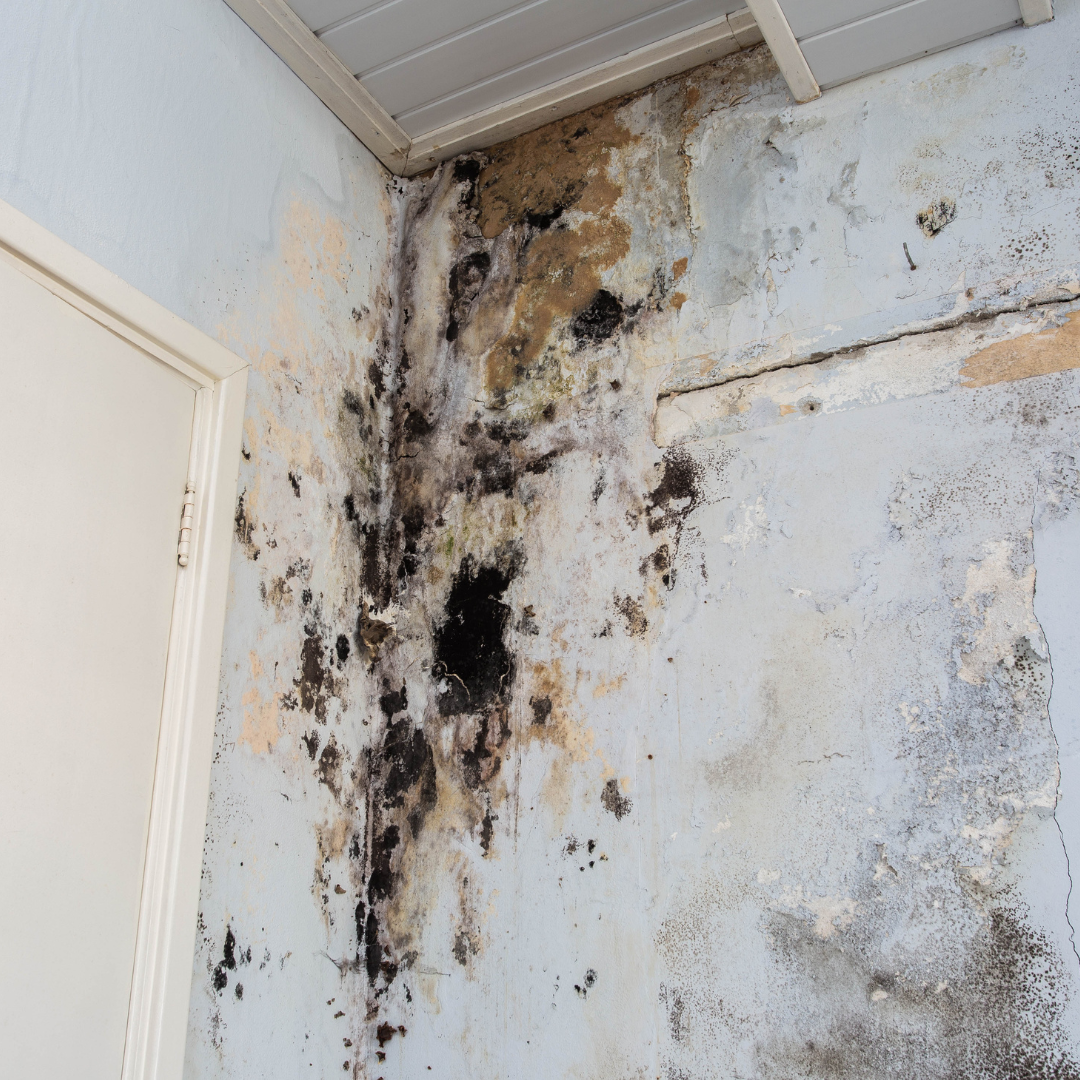
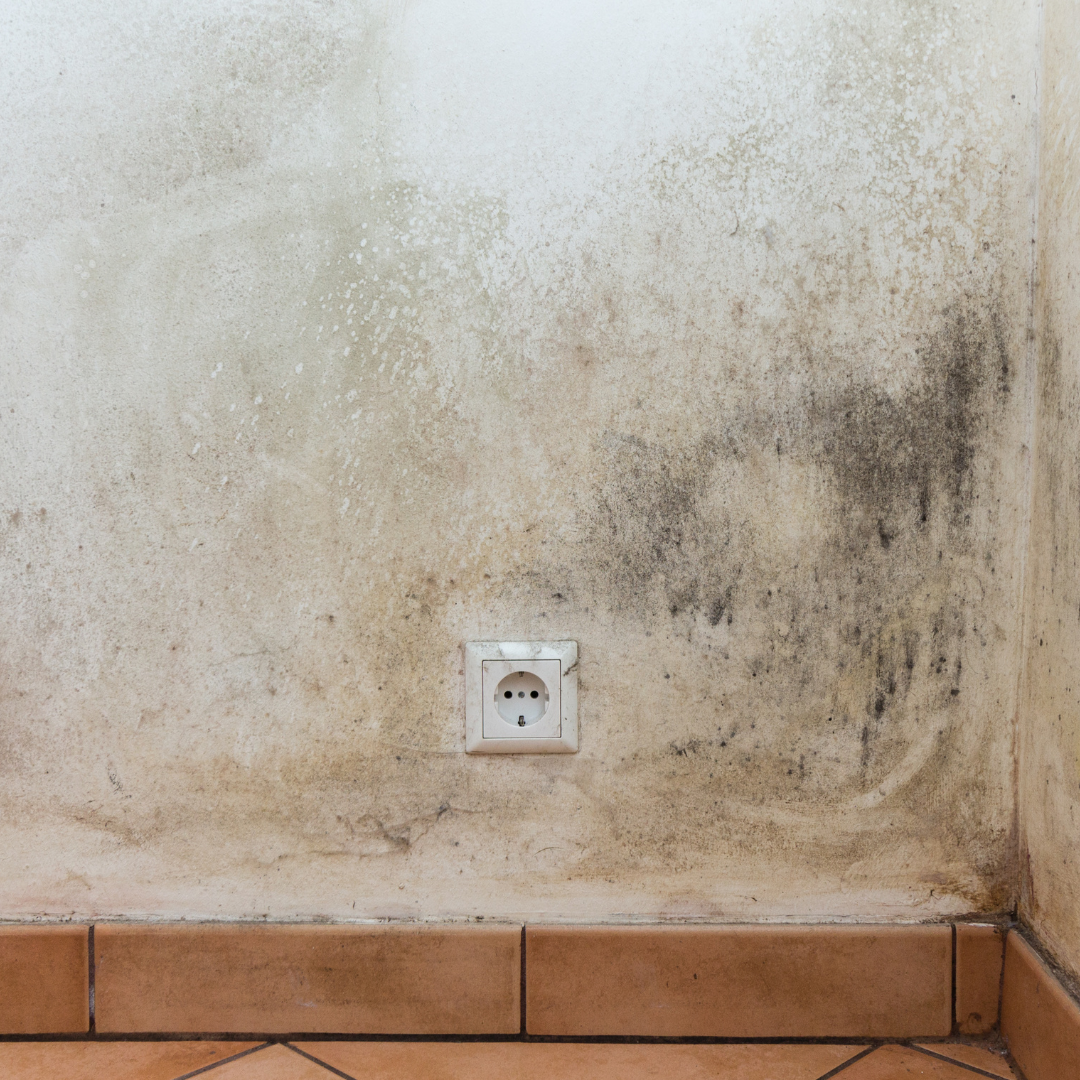
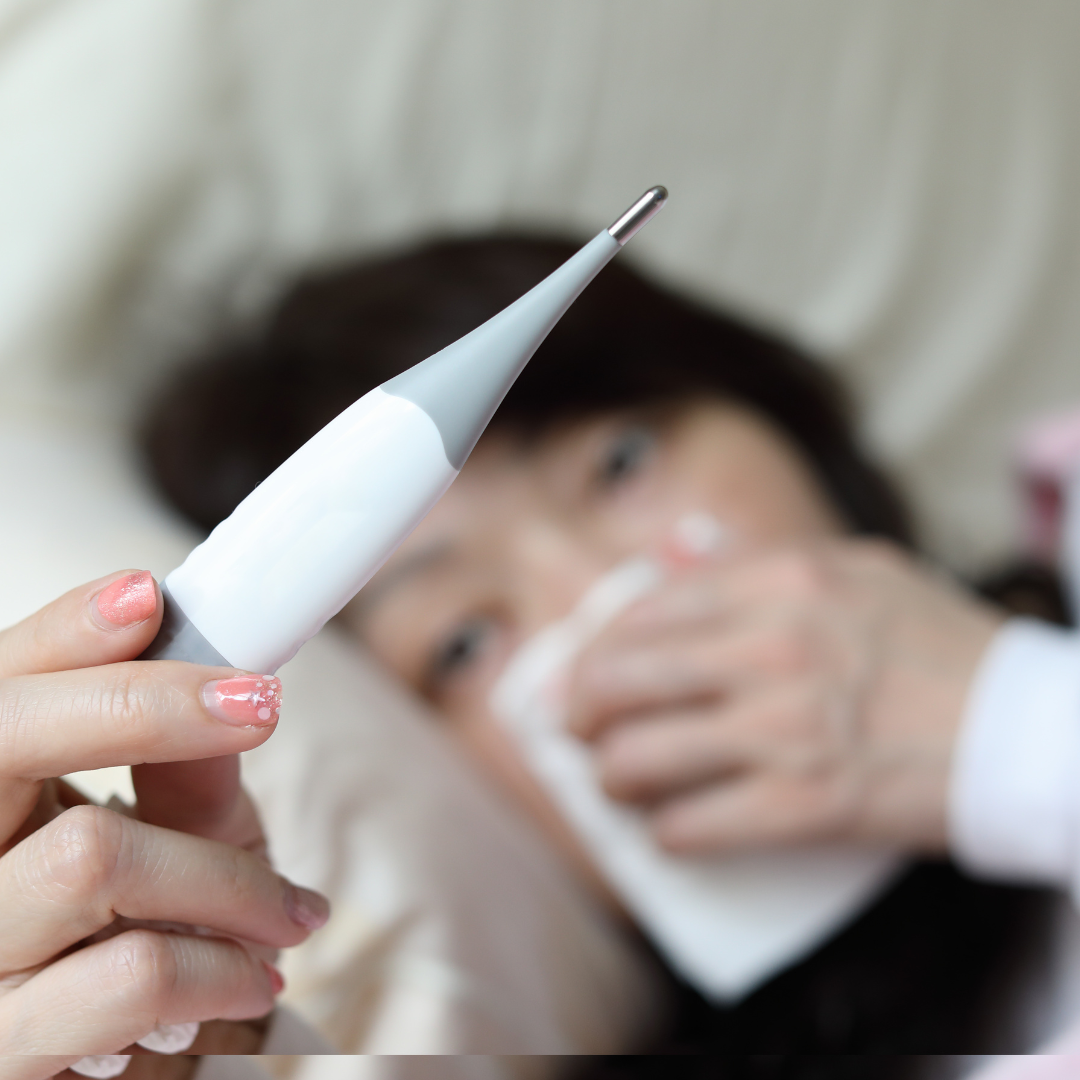

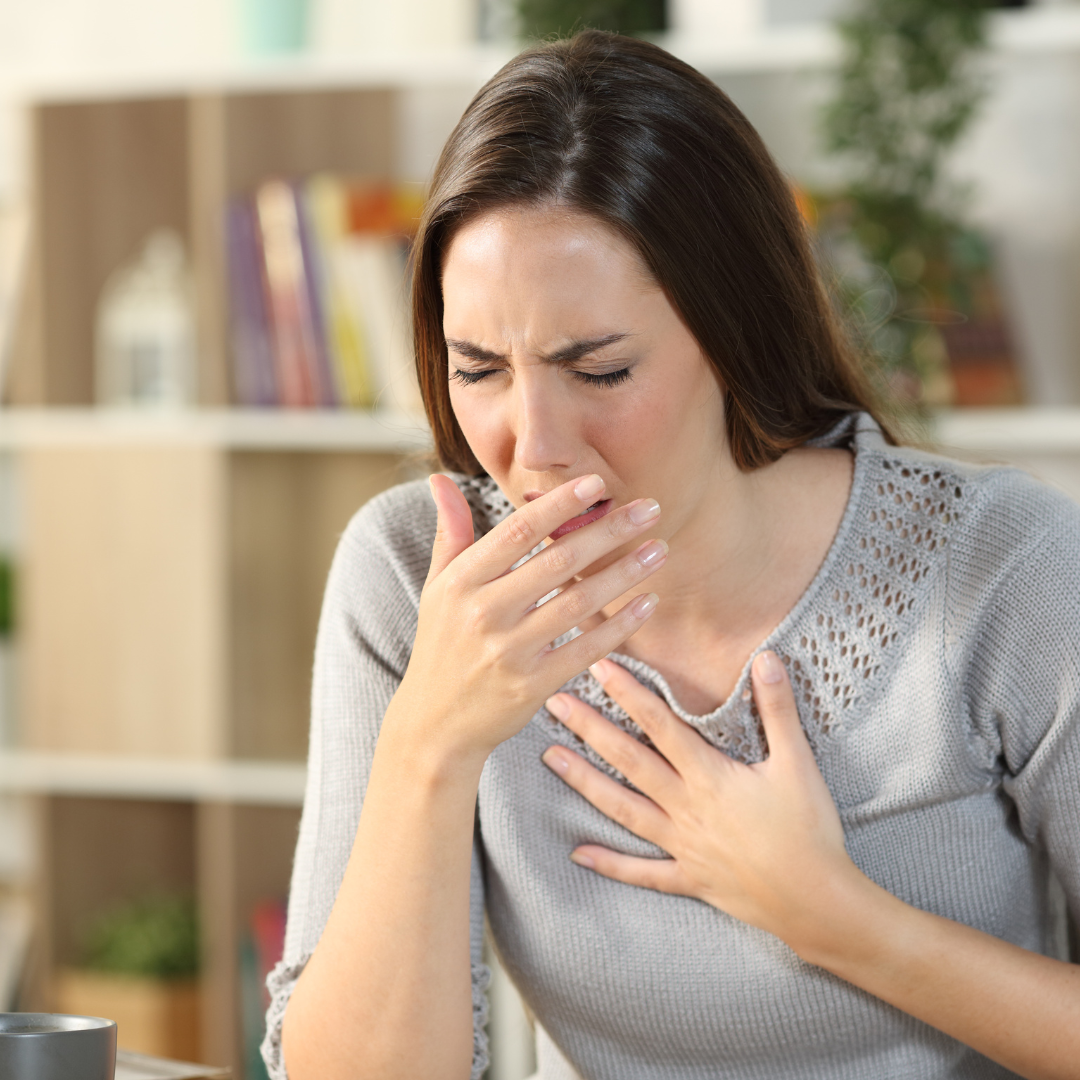
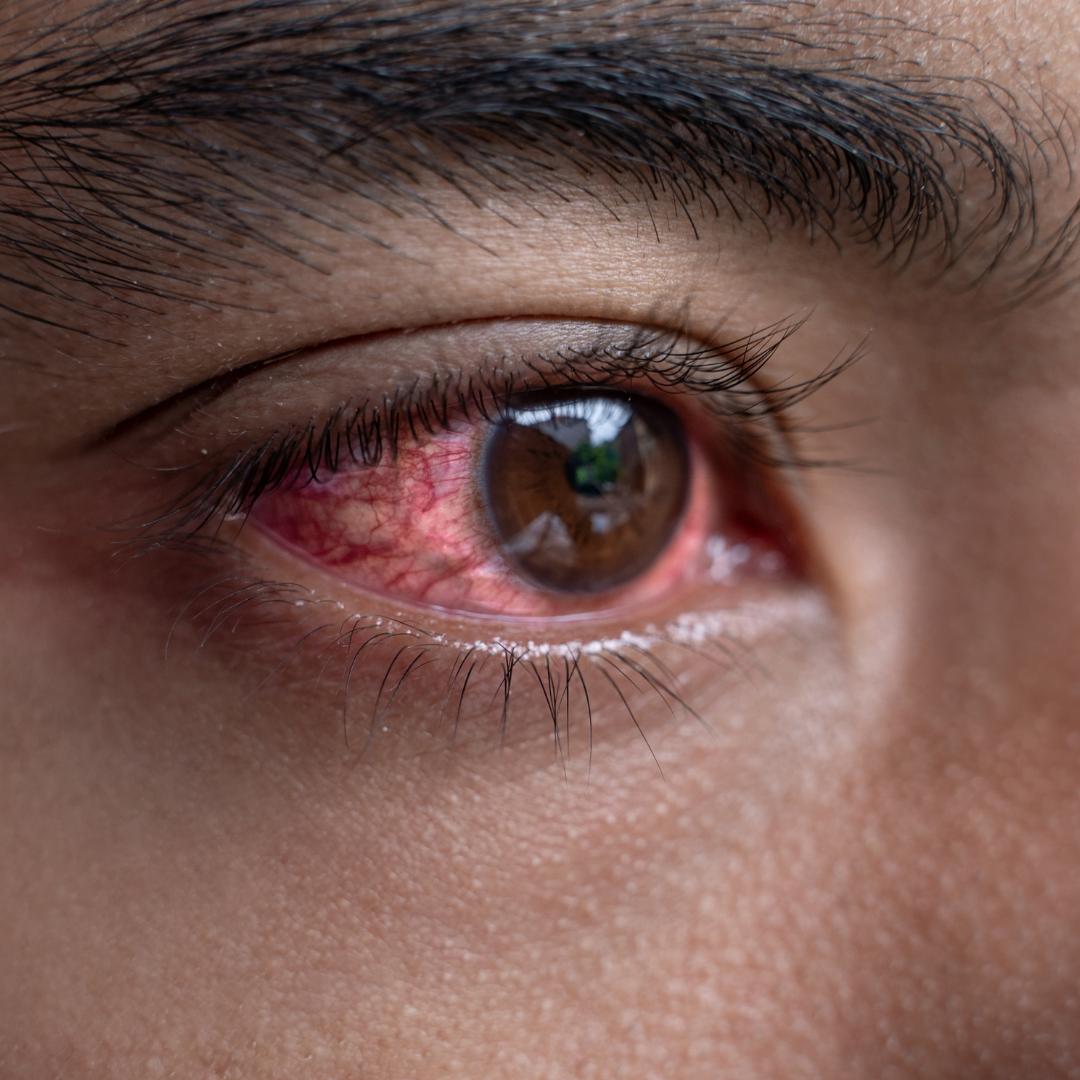
Exposure to molds can lead to symptoms such as:
Some people, such as those with allergies to molds or with asthma, may have more intense reactions:
In 2004 the Institute of Medicine (IOM) found there was sufficient evidence to link indoor exposure to mold with upper respiratory tract symptoms, cough, and wheeze in otherwise healthy people.
Commonly referred to as "black mold," stachybotrys is one of the most dangerous types of mold and can cause:
Because their lungs are still developing, children are at an even greater risk for health problems associated with exposure to black mold.
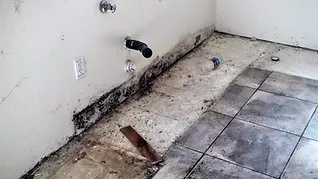
Chaetomium is most commonly found in homes that have water damage, as it thrives in wet, dark environments such as drywall, wallpaper, baseboards and carpets. This type of mold is similar to black mold and sometimes even shares the same environments.
General signs:
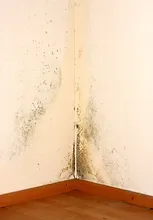
Although aspergillus spores are present in the air that many of us breathe every day, this type of mold can be dangerous to people with compromised immune systems. Exposure to aspergillus may cause allergic reactions, lung infections and a specific type of infection known as aspergillosis.